863 Lincoln Ave - Apartments FOR SALE
Holland, MI 49423 |
$2,125,000 USD

312-550-4889

863 Lincoln Ave
Holland, MI 49423
OVERVIEW
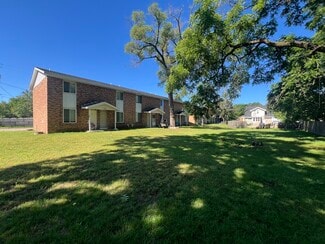
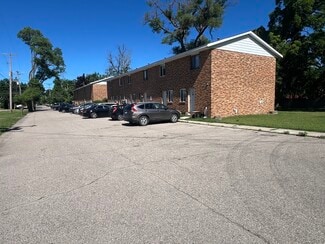
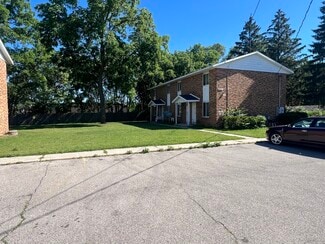
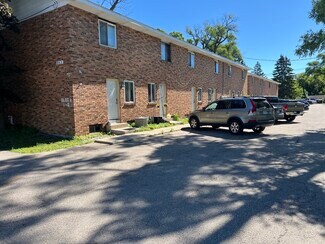
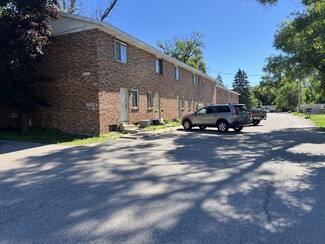
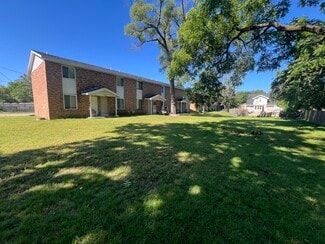
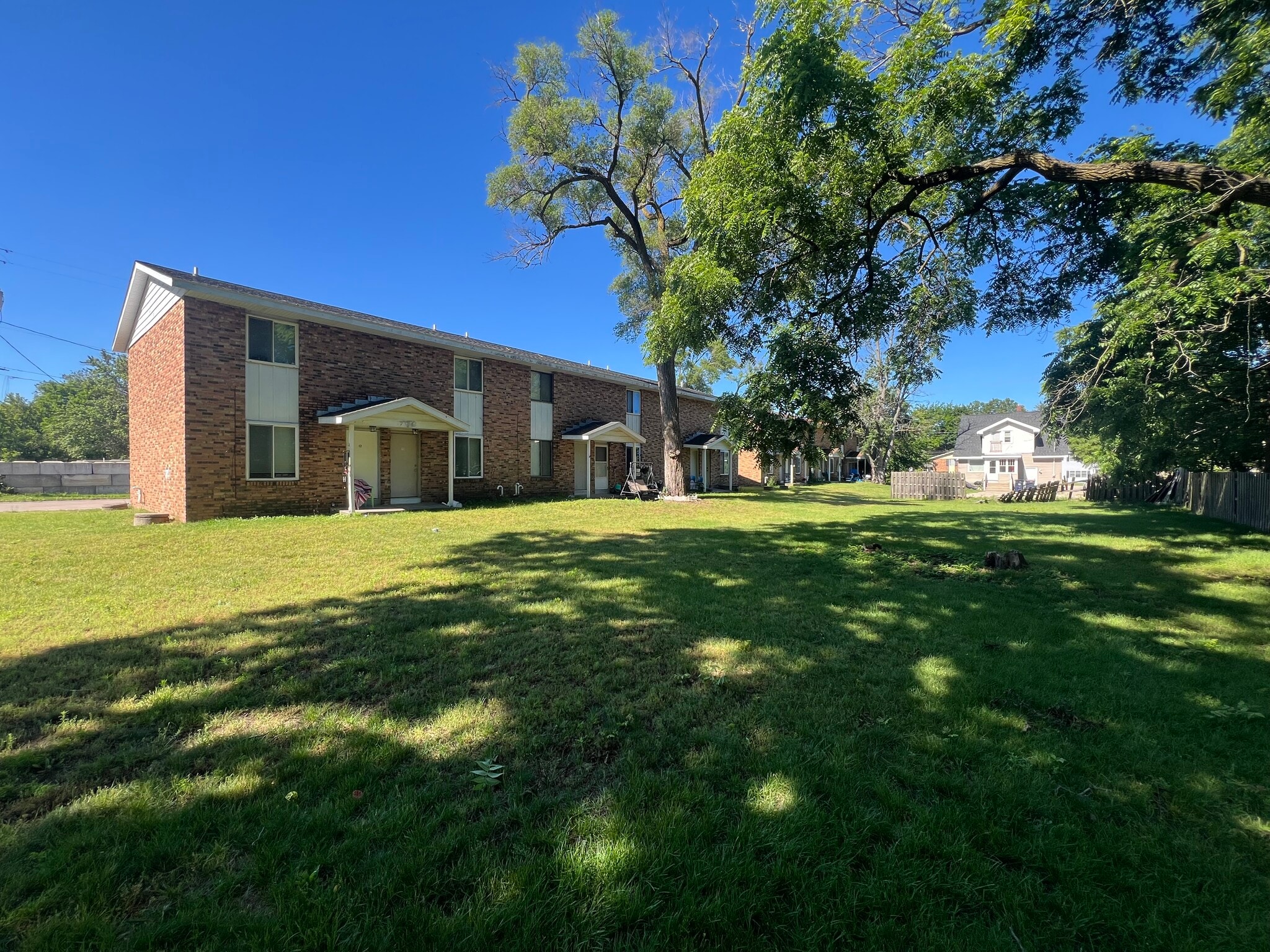
Pantheon Commercial is pleased to present 863 Lincoln Avenue, a 17-unit multifamily offering on a single parcel in Holland, Michigan. The property consists of a 16-unit brick apartment building at 863 Lincoln Avenue (constructed 1977) plus a single-family rental house at 857 Lincoln Avenue, which sits on the same parcel and trades with 863. The property is 100% occupied per the 6/1/26 rent roll, generating $19,005 of monthly in-place gross rent ($228,060 annualized).
The offering is priced at $2,125,000, or $125,000 per door. In-place NOI of $152,551 delivers a going-in cap rate of 7.18%, with a clear path to a 7.91% stabilized cap rate through mark-to-market rent execution, layered institutional management and capital reserves, and reassessed real estate taxes on acquisition basis. Current apartment rents average $1,062 per unit against a CoStar Holland-area 2-bedroom submarket average of $1,483 per unit — representing approximately $421 per unit of mark-to-market opportunity. The stabilized proforma marks all 16 apartment units to $1,300, which still leaves a $183 cushion to the comp-set average and reflects a projected market rent supported by the CoStar comparable set.
The subject prices identically to 956 Lincoln Avenue, the 11-unit sister property one block away, which closed in August 2026 at $125,000 per unit. Across a nine-comp West Michigan multifamily set totaling 138 units, subject prices 2.4% below the $128,125 median and 11.1% below the $140,570 average — with a 7.18% in-place cap rate against a 5.87% reported comp-set cap-rate average.
Holland is the principal city of Michigan's Lakeshore corridor and one of the highest-income, fastest-growing submarkets in West Michigan. Ottawa County multifamily occupancy currently exceeds 99%, with less than 1.2% of local inventory under construction. The Holland-Zeeland trade area is anchored by more than 30,000 advanced manufacturing workers at Haworth, MillerKnoll, Gentex, Yanfeng, Trans-Matic, and Boar's Head, plus Hope College — a durable workforce housing demand base decoupled from the Lake Michigan tourism cycle.
FOR SALE DETAILS
PRICE
$2,125,000 USD
PRICE/SF
$141 USD /SF
# OF UNITS
17
PRICE/UNIT
$125,000
CAP RATE
7.18%
% LEASED
100%
SALE TYPE
Investment
BUILDING DETAILS
PROPERTY TYPE
Multi-Family
APARTMENT STYLE
Low-Rise
PROPERTY SUBTYPE
Apartments
TOTAL BUILDING SIZE
-
STORIES
2
YEAR BUILT
1979
PARKING SPACES
-
LAND DETAILS
LAND ACRES
1.39 AC
LAND SF
60,505 SF
ZONING
RMU
APN/PARCEL ID
53-02-04-100-043
ASK ABOUT THIS PROPERTY
Please correct the highlighted field(s).

312-550-4889
By clicking the button, you agree to Showcase's Terms of Use and Privacy Notice.
Please correct the highlighted field(s).
312-550-4889
By clicking the button, you agree to Showcase's Terms of Use and Privacy Notice.