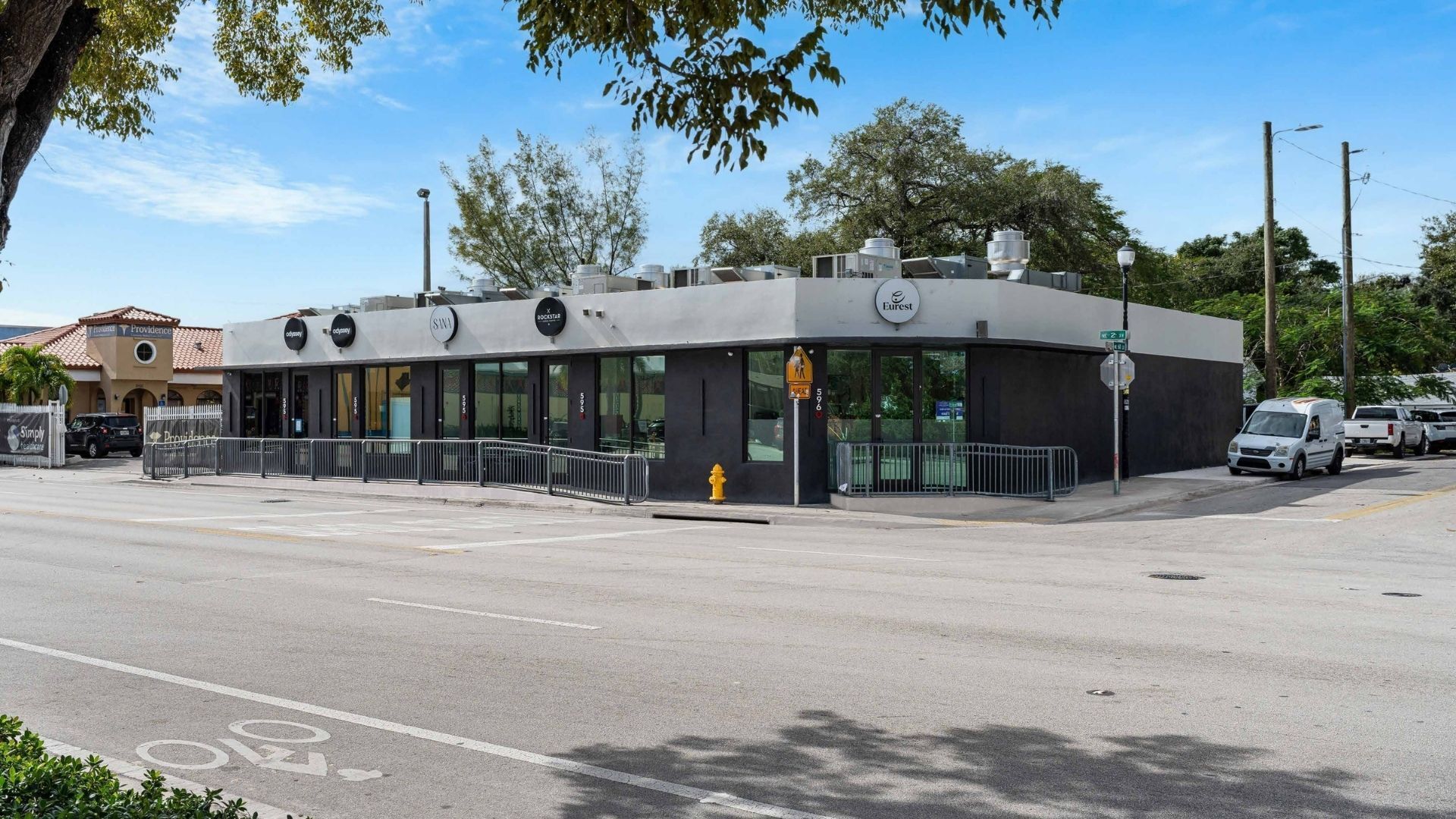

5952-5960 NE 2nd Ave
Miami, FL 33137
Little Haiti
OVERVIEW
The U.S. food production, delivery, and prepared-meal sectors are expanding steadily, driving strong demand
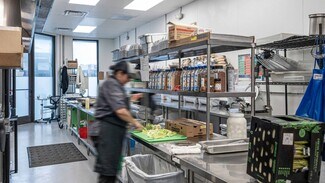
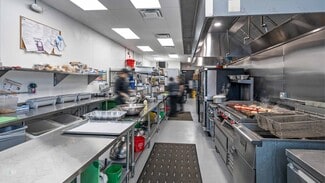
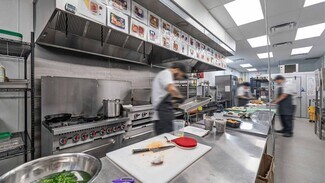
for well-located, fully built commercial kitchens. Operators across ghost kitchens, premium catering, and
prepared-meal services increasingly depend on centralized, high-capacity facilities—supporting consistent
leasing activity and long-term tenancy within this specialized asset class.
Nationwide, the ghost kitchen market is projected to grow from $71B (2021) to over $177B by 2030, while
delivery now accounts for 15–20% of restaurant revenue, up from ~5% pre-COVID. Prepared-meal services are
following a similar trajectory, with the U.S. market expected to reach $14.8B by 2028 and consumer adoption
up 28% since 2020. These operators require reliable production infrastructure and typically invest heavily in
equipment, contributing to stronger renewals and reduced turnover for landlords.
Catering and event-driven food production remain another major demand driver, with the U.S. catering
sector surpassing $73B in 2023 and forecasting annual growth of 5–6%. Miami’s expanding hospitality and
luxury event economy further supports high-capacity operators seeking dedicated, professionally equipped
facilities.
High entry costs—ranging from $300–$600/SF and 12–18 months to build a compliant kitchen—combined
with impact fees and complex permitting create meaningful barriers to new supply. As a result,
second-generation commercial kitchens command premium rents, maintain low vacancy, and show high
tenant retention, as operators become anchored by equipment investment and mission-critical operational
continuity.
The continued growth of delivery-first dining, catering, and prepared-meal operators—combined with the
scarcity of professionally built kitchen infrastructure—positions commercial kitchen real estate as a resilient
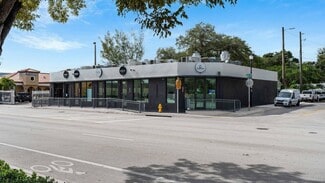
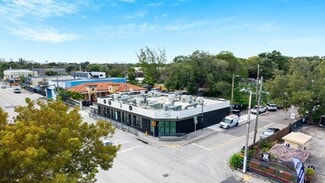
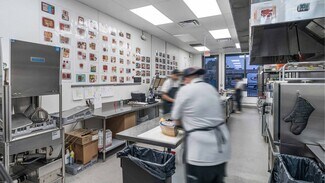
and consistently leased asset class. Properties like 5960 NE 2nd Avenue, oering modern systems, fully built
production capacity, and long-term NNN tenancy, are well aligned with these national trends.
FOR SALE DETAILS
PRICE
$6,289,619 USD
PRICE/SF
$1,263 USD /SF
CAP RATE
6.92%
% LEASED
-
TENANCY
Multiple
SALE TYPE
Investment
BUILDING DETAILS
PROPERTY NAME
5960 NE 2nd Ave
PROPERTY TYPE
Retail
TOTAL BUILDING SIZE
-
STORIES
1
YEAR BUILT
1950
SPRINKLERS
-
PARKING SPACES
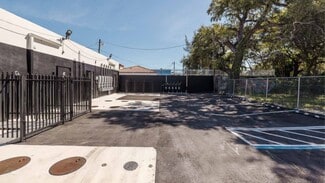
6
LAND DETAILS
LAND ACRES
0.19 AC
LAND SF
8,276 SF
ZONING
T5-O
APN/PARCEL ID
01-3113-022-0130
ASK ABOUT THIS PROPERTY
Please correct the highlighted field(s).

954-805-7078
By clicking the button, you agree to Showcase's Terms of Use and Privacy Notice.
Please correct the highlighted field(s).
954-805-7078
By clicking the button, you agree to Showcase's Terms of Use and Privacy Notice.