310-909-5444

5128 Marathon St
Los Angeles, CA 90038
East Hollywood
HIGHLIGHTS
- The Jardinette marked Richard J Neutra’s first major independent commission in the United States, undertaken shortly after his arrival in Los Angeles.
- Extensive work has been completed, including structural, electrical, plumbing, mechanical, fire protection, and building envelope improvements.
- Electrical improvements include new service upgrades coordinated with the LADWP, along with new electrical fixtures, outlets, and lighting throughout.
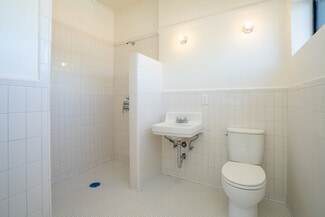
- Residential improvements also include the voluntary creation of 15 ADA-compliant units, expanding accessibility within the building.
- QOZ: Potential Capital Gains Tax Deferral and Elimination Benefits.
- Benefits from a Mills Act Historic Property Contract, one of California’s most significant financial incentives for historic building preservation.
OVERVIEW
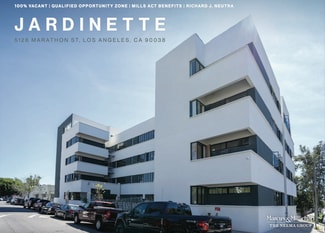
100% Vacant | Qualified Opportunity Zone | Mills Act Benefits | Richard J. Neutra
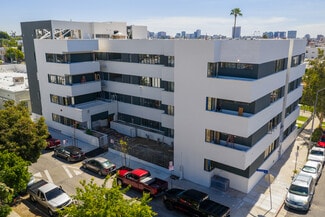
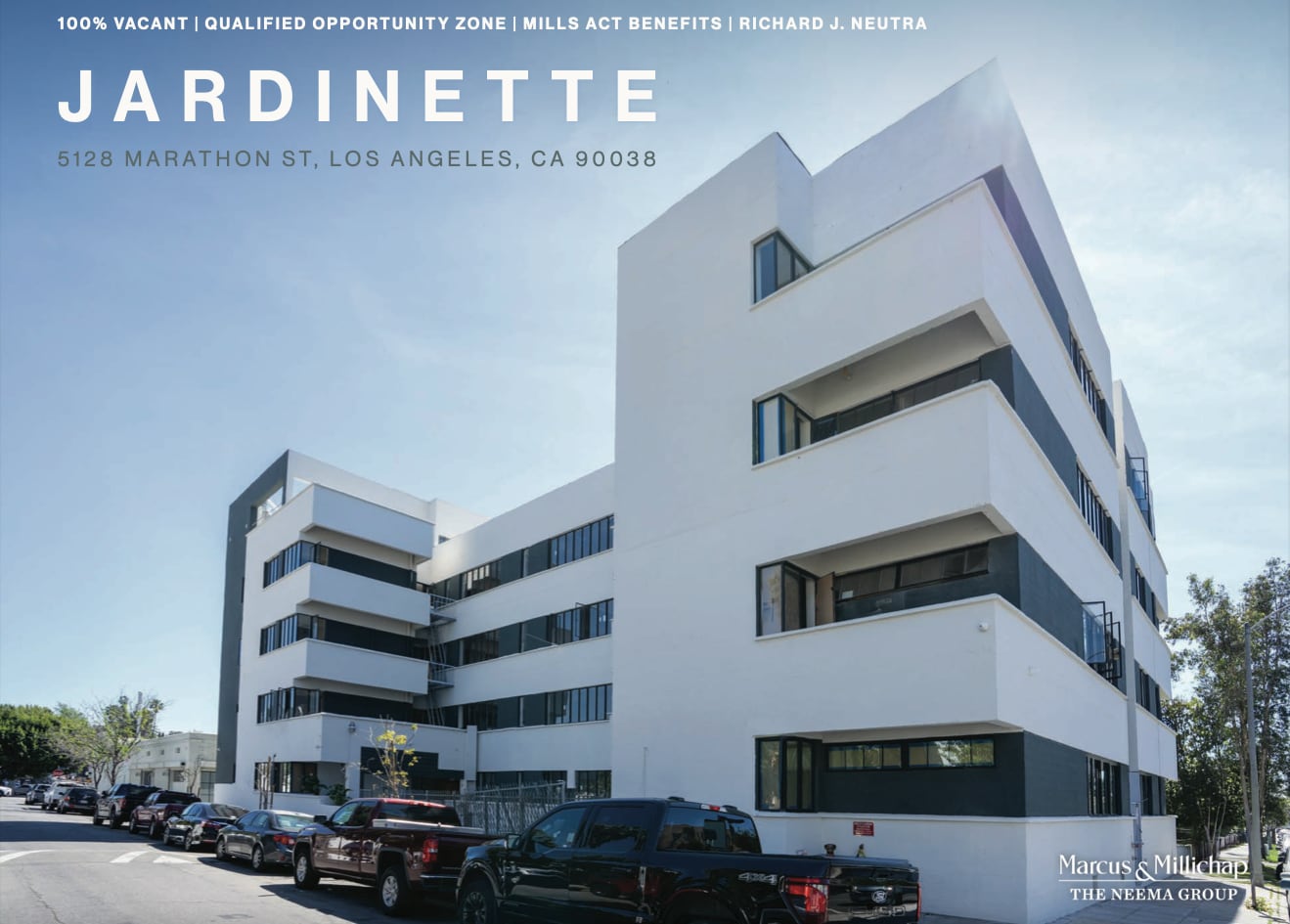
Constructed in 1928, the Jardinette Apartments represent a rare surviving example of early modernist multifamily architecture and one of the earliest expressions of International Style residential design in the United States. Completed during a period when Southern California architecture was largely defined by revival styles such as Spanish Colonial and Tudor, the building introduced a radically modern architectural vocabulary emphasizing simplicity, functionality, and innovative construction methods.
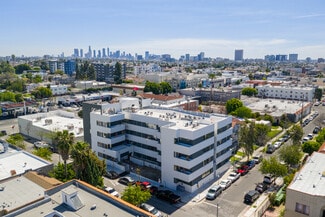
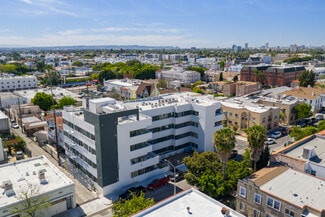
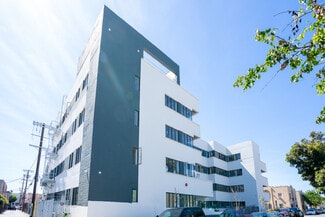
The four-story structure embodies hallmark elements of the International Style, including a reinforced concrete structural frame, continuous horizontal ribbon windows, and cantilevered balconies that project outward from the façade. The building is organized around a shallow U-shaped courtyard, a design that allows natural light and cross-ventilation to reach the residential units while creating a landscaped communal space at the center of the property.
Today, the building is formally recognized for its architectural importance. The Jardinette Apartments are listed on the National Register of Historic Places and designated as Los Angeles Historic-Cultural Monument No. 390, acknowledging the property’s enduring significance as an early and influential example of modernist multifamily architecture.
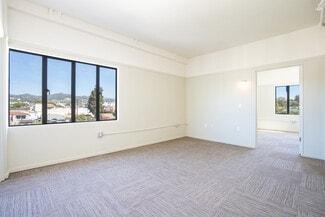
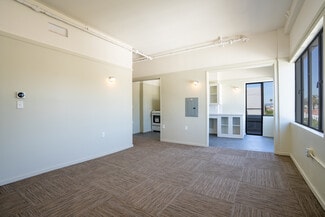
Extensive work has been completed across multiple building systems, including structural, electrical, plumbing, mechanical, fire protection, and building envelope improvements. Structural upgrades and framing improvements were implemented to reinforce the building while preserving the original architectural design. Interior improvements included new framing, insulation, and drywall installation, along with substantial upgrades to the basement level.
The building’s infrastructure has been modernized with all new electrical systems, plumbing systems, gas lines, and mechanical systems, providing long- term operational efficiency and reliability. Electrical improvements include new service upgrades coordinated with the Los Angeles Department of Water and Power (LADWP), along with new electrical fixtures, outlets, and lighting throughout the building.
The plumbing system has been fully upgraded with new plumbing infrastructure, new plumbing fixtures, and a new water boiler system, supported by an upgraded LADWP plumbing service connection. Mechanical improvements include updated heating and cooling systems to improve comfort and efficiency for residents. All units feature independent air conditioning and cooling systems, providing individual climate control.
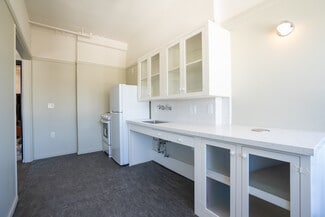
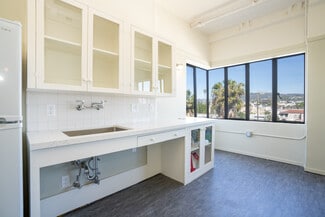
Life-safety systems have also been significantly enhanced through the installation of new fire alarm and fire sprinkler systems throughout the building. Additional improvements include the installation of new windows, restoration of the building envelope, and the construction of custom-built kitchen cabinetry and countertops fabricated on site. Residential improvements also include the voluntary creation of 15 ADA-compliant units, expanding accessibility within the building.
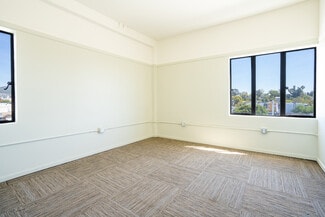
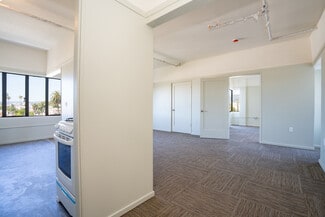
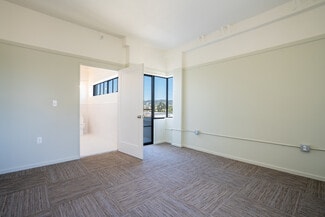
As part of the work on the property, the owner undertook a full interior rehabilitation of the residential units, including taking some walls down to the studs while preserving the historic character of the building’s original architecture as was feasible. This extensive scope of work included new framing, insulation, drywall, plumbing, electrical systems, and a modern mechanical infrastructure throughout the building.
Together, these capital improvements represent a substantial modernization of the property while preserving the architectural integrity of this historically significant building.
FOR SALE DETAILS
BUILDING DETAILS
PROPERTY NAME
The Jardinette Apartments
PROPERTY TYPE
Multi-Family
APARTMENT STYLE
Mid-Rise
PROPERTY SUBTYPE
Apartments
TOTAL BUILDING SIZE
-
STORIES
4
YEAR BUILT
1929
PARKING SPACES
-
LAND DETAILS
LAND ACRES
0.21 AC
LAND SF
9,152 SF
ZONING
LARD1.5
APN/PARCEL ID
5535-017-014
ASK ABOUT THIS PROPERTY
Please correct the highlighted field(s).

310-909-5444
By clicking the button, you agree to Showcase's Terms of Use and Privacy Notice.
Please correct the highlighted field(s).
310-909-5444
By clicking the button, you agree to Showcase's Terms of Use and Privacy Notice.