$9,250,000 USD

952-852-9767

4210 Hubbell Ave
Des Moines, IA 50317
Sheridan Gardens
HIGHLIGHTS
- One- and two-bedroom units (~430–698 SF) designed for functionality and affordability, capturing the most liquid segment of renter demand.
- Current occupancy exceeds 96%, significantly outperforming the ~91% submarket average, providing immediate cash flow stability.
- Renovated units have achieved premiums of ~$100 to $200 per month, validating the renovation scope and rent growth potential.
- Remaining units offer a highly executable opportunity to standardize interiors and drive additional revenue through a scalable renovation program.
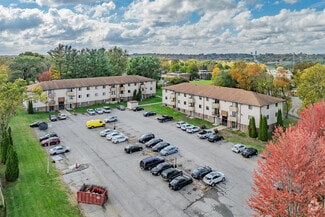
- Rare opportunity to acquire two adjacent assets, enabling operational efficiencies, leasing synergies, and streamlined on-site management.
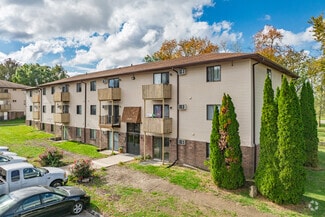
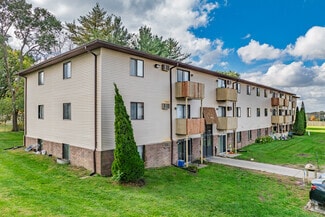
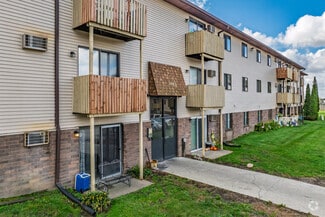
- Late-1970s construction with efficient, workforce-oriented layouts ideally suited for cost-effective interior upgrades and long-term hold strategies.
OVERVIEW
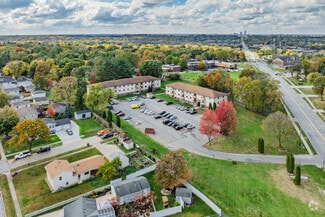
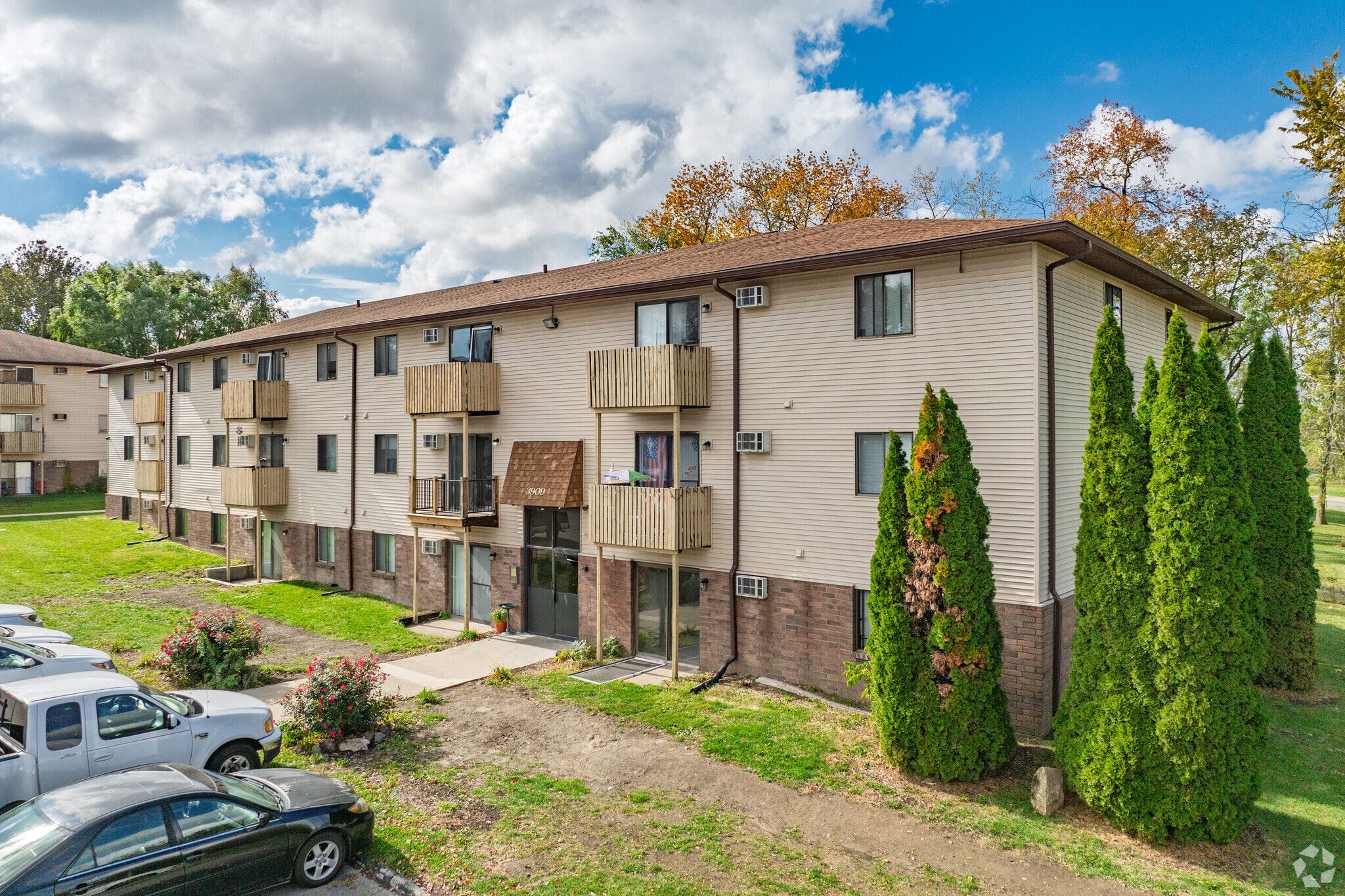
Cypress I & II represent a rare opportunity to acquire a 108-unit, contiguous multifamily portfolio in the Outer Southeast Des Moines corridor. Constructed in 1978–1979, the assets offer durable workforce housing fundamentals combined with a proven, partially executed value-add strategy, positioning new ownership to drive attractive near-term NOI growth with limited execution risk. The portfolio comprises highly efficient one- and two-bedroom units averaging approximately 430 to 698 square feet, with a concentration of functional two-bedroom layouts that align with the deepest segment of renter demand, supporting consistent leasing velocity and long-term occupancy stability.
Operationally, the assets are performing at a high level, with current occupancy of approximately 96%, materially outperforming the ~91% submarket average. This provides a stable in-place cash flow profile while minimizing near-term lease-up risk.
Cypress I & II also offer a clear and scalable path to revenue growth. Approximately 64% of units have been renovated, achieving rent premiums of ~$100 to $200 per month, validating the renovation strategy. The remaining units present a straightforward opportunity to further standardize interiors and continue pushing rents through a highly executable, repeatable business plan.
The investment is further supported by the strength and durability of the Greater Des Moines market, which continues to experience steady population growth driven by net in-migration and a diversified, white-collar-oriented economy anchored by insurance, financial services, healthcare, and corporate operations. Significant data center and technology investment has further strengthened the market’s long-term outlook, contributing to job growth and household formation. These dynamics have positioned Des Moines as one of the Midwest’s most stable multifamily markets, characterized by consistent absorption, measured supply growth, and low volatility, while relative affordability supports strong tenant retention and sustainable rent growth.
FOR SALE DETAILS
PRICE
$9,250,000 USD
PRICE/SF
$139 USD /SF
# OF UNITS
108
PRICE/UNIT
$85,648
CAP RATE
6.21%
% LEASED
-
SALE TYPE
Investment
BUILDING DETAILS
PROPERTY NAME
Cypress I & II
PROPERTY TYPE
Multi-Family
APARTMENT STYLE
Low-Rise
PROPERTY SUBTYPE
Apartments
TOTAL BUILDING SIZE
-
STORIES
3
YEAR BUILT
1978
PARKING SPACES
-
LAND DETAILS
LAND ACRES
5.17 AC
LAND SF
225,205 SF
ZONING
R1-60
APN/PARCEL ID
060/00103-005-002,060/00749-002-000,060/00749-003-000
ASK ABOUT THIS PROPERTY
Please correct the highlighted field(s).

952-852-9767
By clicking the button, you agree to Showcase's Terms of Use and Privacy Notice.
Please correct the highlighted field(s).
952-852-9767
By clicking the button, you agree to Showcase's Terms of Use and Privacy Notice.