406 N Avenue D - Specialty FOR SALE
San Luis, AZ 85336 |

480-273-0212
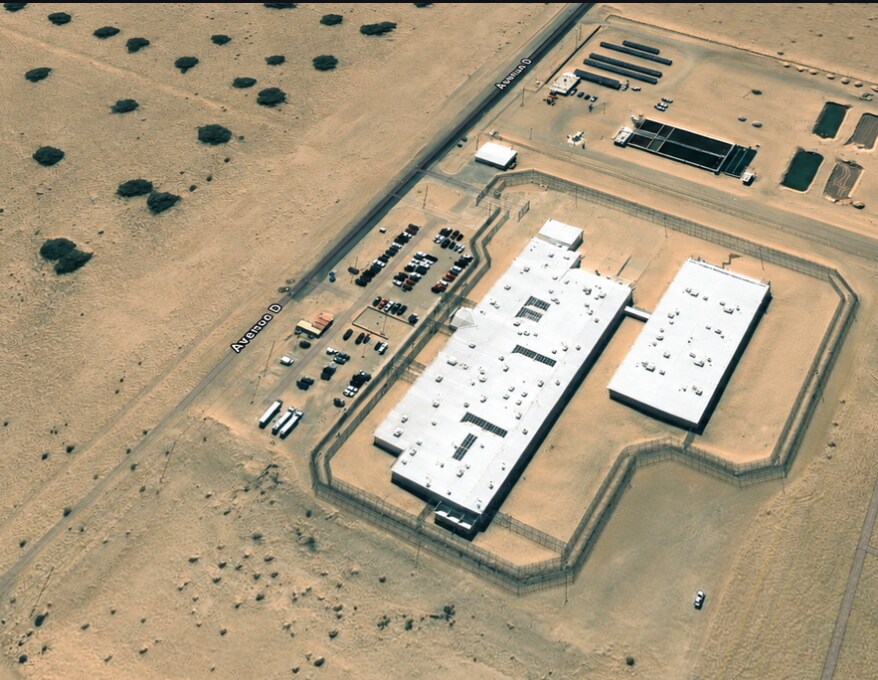

406 N Avenue D
San Luis, AZ 85336
HIGHLIGHTS
- 870-bed detention facility
- Current population supported by multiple federal agencies, with the U.S. Marshals Service and ICE serving as the primary detainee sources
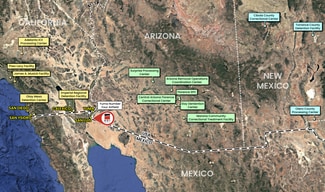
- Additional demand generated by U.S. Customs and Border Protection placements from several border sectors and ports of entry, including San Diego, Yuma
- Positioned to benefit from out-of-state detention demand, including recent U.S. Marshals placements from New Mexico
- Potential for longer-term occupancy from ICE detainees tied to California immigration court backlogs
- Facility originally opened in 2007 and expanded in 2011, increasing capacity from approximately 450 beds to 870 beds
OVERVIEW
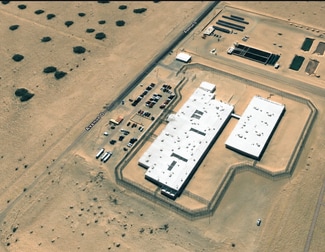
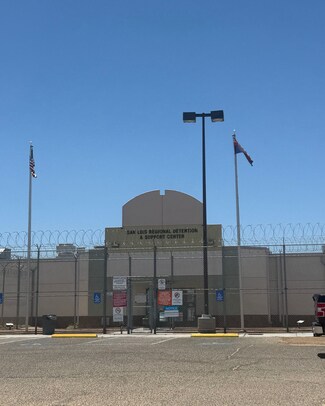
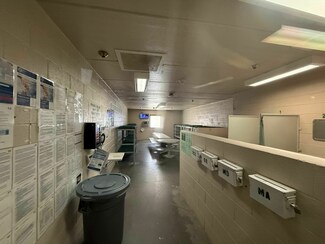
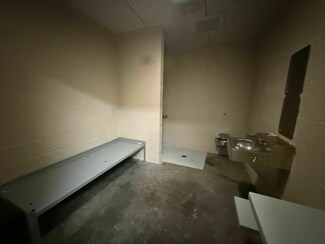
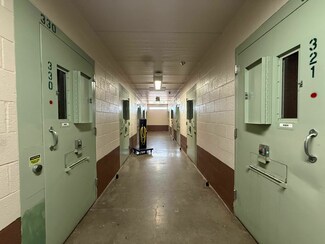
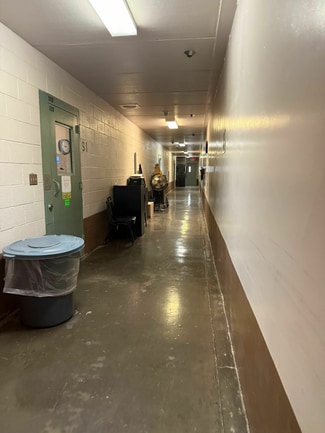
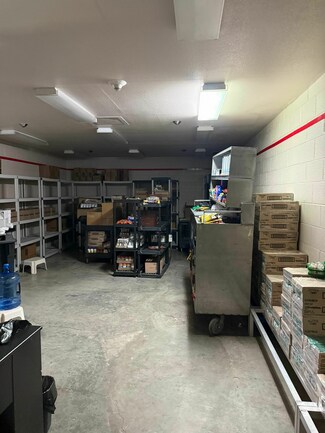
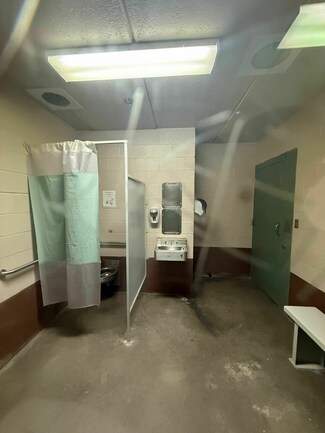
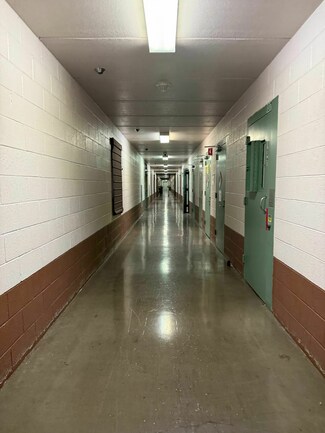
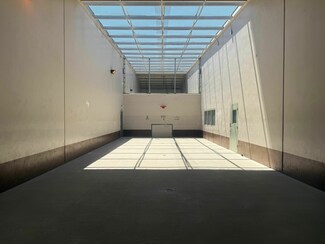
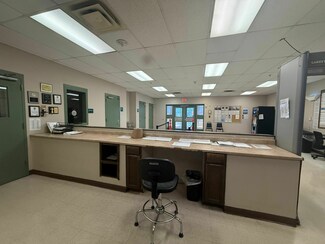
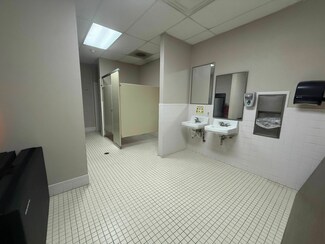
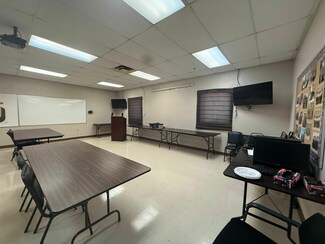
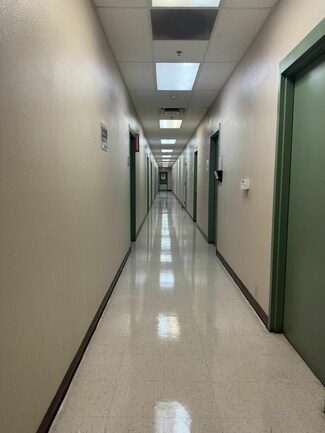
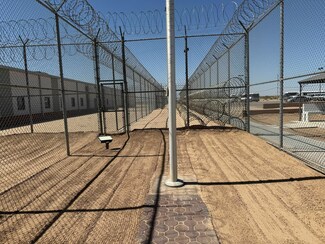
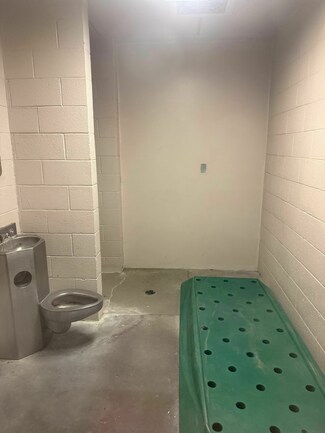
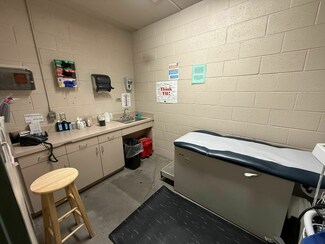
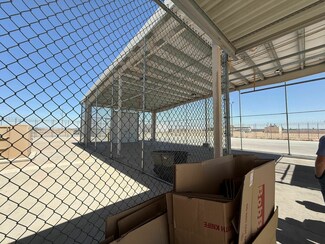
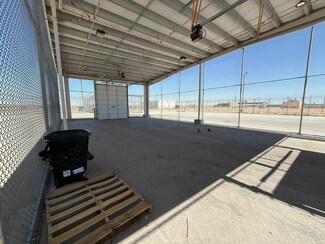
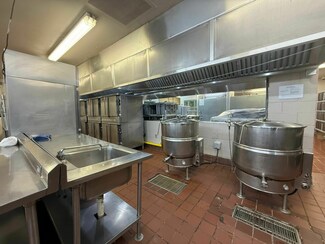
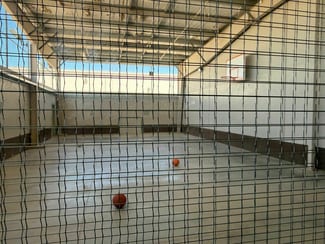
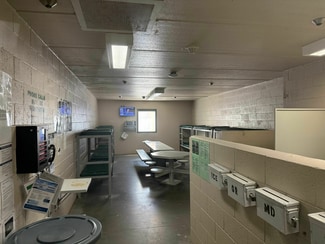
The facility originally opened in 2007 and is reported to be in solid condition. A 2011 expansion increased capacity from approximately 450 to 870 beds through an adjacent structure connected to the main building by an outdoor walkway. Housing consists of roughly 96 single-bed cells and dormitory-style units accommodating 12, 24, and 48 detainees, with assignments used as part of a de-escalation strategy. The facility is connected to City of San Luis water and sewer and includes a full complement of operational infrastructure: a commercial kitchen with walk-in refrigeration, freezer, and dry storage; dedicated laundry facilities with four industrial washers and three industrial dryers; a medical area with examination, recovery, suicide-watch, and negative-pressure isolation rooms; intake space; virtual immigration hearing rooms; a barber shop; commissary; staff training and break areas; agency offices; two control rooms; and eight outdoor recreation areas.
Full occupancy requires approximately 204 employees, including 24 medical personnel, four maintenance staff, and five food-service employees, with the remainder being correctional and operational staff. Staffing scales with average occupancy, travel nurse dependency has been eliminated, and costs have normalized. On the revenue side, the U.S. Marshals Service and ICE are the two primary contracting agencies and together account for the substantial majority of facility revenue. The facility is contractually required to maintain 100 beds reserved for ICE at all times, with the Marshals holding placement priority. Smaller populations are also placed by U.S. Customs and Border Protection, with recent placements tied to the San Diego, Yuma, Calexico, San Luis, and San Ysidro border sectors and ports of entry. Each agency pays separately under its applicable contract. Notably, New Mexico legislation restricting local participation in detention contracts has begun pushing federal agencies to secure beds out of state, representing a potential additional demand source for the facility. Management also expects that California court backlogs and limited in-state detention capacity could drive increased demand from California-related ICE detainees over time.
FOR SALE DETAILS
BUILDING DETAILS
PROPERTY NAME
San Luis Detention Center
PROPERTY TYPE
Specialty
TOTAL BUILDING SIZE
-
STORIES
1
BUILDING CLASS
C
YEAR BUILT
2009
SPRINKLERS
-
PARKING SPACES
-
LAND DETAILS
LAND ACRES
25 AC
LAND SF
1,089,000 SF
ZONING
RA-10
APN/PARCEL ID
227-11-003
ASK ABOUT THIS PROPERTY
Please correct the highlighted field(s).

480-273-0212
By clicking the button, you agree to Showcase's Terms of Use and Privacy Notice.
Please correct the highlighted field(s).
480-273-0212
By clicking the button, you agree to Showcase's Terms of Use and Privacy Notice.