
OVERVIEW
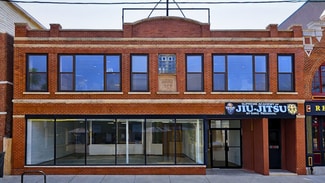
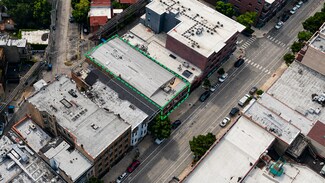
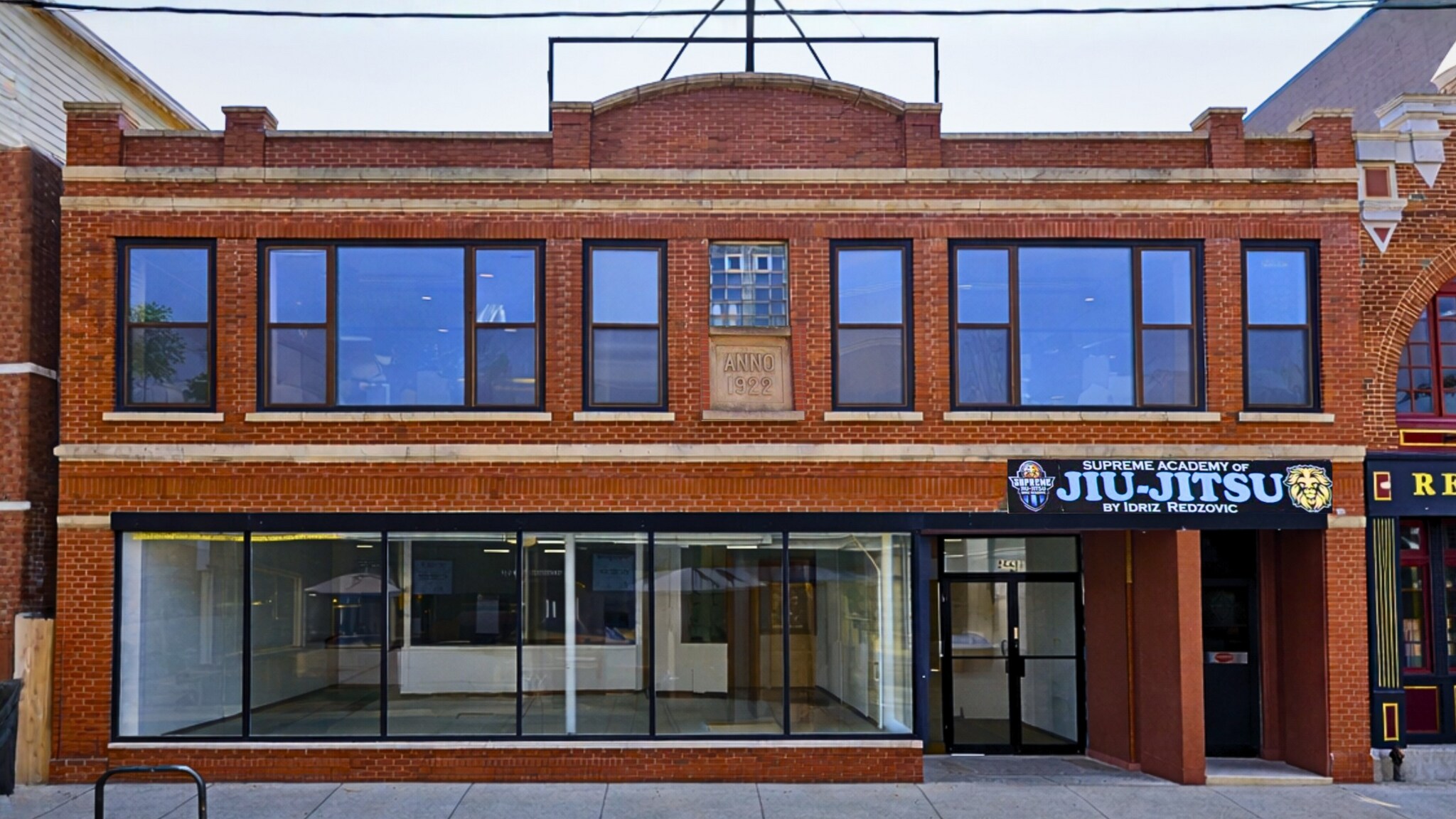
Remarks: 6,000 sq foot lot. 50" x 12)'. Zoned B3-3. Located in the heart of Lincoln Park. North of the intersection of Lincoln/Fullerton and Halsted. Across from the Biograph Theatre, steps from the campus of DePaul University. This is one of the best buildable sites in Lincoln Park. One tenant M-M one tenant with a lease expiring Aug 30, 2028.
Highest & Best Use Description — 2440–42 N. Lincoln Avenue
2440–42 N. Lincoln Avenue represents one of Lincoln Park’s strongest boutique redevelopment opportunities: a 6,000 SF, 50’ x 120’ site zoned B3-3 Community Shopping District, positioned just north of Lincoln/Fullerton/Halsted, across from the Biograph Theatre and steps from DePaul University. The zoning supports a high-value mixed-use concept, with ground-floor retail, restaurant, service, medical, boutique fitness, showroom, or creative commercial use, and apartments or condominiums above.
Under B3-3 zoning, residential units are permitted above the ground floor, with a base 3.0 FAR, which on a 6,000 SF lot suggests approximately 18,000 buildable square feet before any applicable bonuses. The dash-3 density standard allows one dwelling unit per 400 SF of lot area, indicating a potential base density of approximately 15 residential units, subject to final zoning, design, parking, open-space, rear-yard, ARO, and building-code review. Chicago’s zoning code also allows Transit-Served Location incentives for qualifying B3-3 sites near CTA rail stations or eligible CTA bus corridors, including reduced minimum lot area per unit and potential FAR increases up to 4.0 when applicable affordable-housing requirements are met.
The property is especially relevant under Chicago’s Transit-Oriented Development / Transit-Served Location ordinance because Lincoln Avenue is a dense, walkable commercial corridor with immediate access to CTA bus service and nearby rail connectivity. For a developer, this can materially improve feasibility by reducing parking burdens, encouraging higher-density housing near transit, and supporting a pedestrian-oriented building with active retail frontage. This is exactly the type of corridor the ordinance is intended to strengthen: more housing, less auto dependency, stronger neighborhood retail, and better use of land near transit.
The strongest new-construction uses include:
Mixed-use apartments over retail: ground-floor commercial space with boutique rental apartments above, appealing to DePaul students, young professionals, medical users, neighborhood renters, and residents seeking a walkable Lincoln Park lifestyle.
Condominiums over retail: larger luxury condo units above a premium retail base, positioned for buyers who want new construction in a high-income, supply-constrained Lincoln Park location.
Boutique office or medical over retail: creative office, wellness, dental, therapy, design, or professional suites above street-level retail, benefiting from visibility, transit access, and the Lincoln Park customer base.
All-residential upper-floor development with active commercial frontage: a modern mixed-use building that preserves Lincoln Avenue’s storefront character while adding needed housing density.
The demographics strongly support residential and retail demand. Lincoln Park has approximately 67,831 residents, 33,145 households, a young median age of 31.3, and a highly educated population, with 45.4% holding a bachelor’s degree and 40.3% holding a graduate or professional degree. Median household income is approximately $137,505, with 46.1% of households earning $150,000 or more. The area is also renter-friendly, with 54.5% renter-occupied households, and transit-oriented, with strong transit, walking, biking, and work-from-home patterns.
In short, the highest and best use is a new-construction mixed-use development with retail at grade and luxury apartments or condominiums above, taking advantage of the site’s width, B3-3 zoning, Lincoln Park demographics, DePaul proximity, transit orientation, and irreplaceable location on one of Chicago’s most recognizable neighborhood commercial corridors.
FOR SALE DETAILS
PRICE
$3,500,000 USD
PRICE/SF
$292 USD /SF
CAP RATE
Request Cap Rate
% LEASED
-
TENANCY
Multiple
SALE TYPE
Investment Or Owner User
BUILDING DETAILS
PROPERTY TYPE
Retail
ADD'L SUBTYPES
Storefront Retail/Office, Office/Residential
TOTAL BUILDING SIZE
-
STORIES
2
YEAR BUILT
1925
SPRINKLERS
-
PARKING SPACES
-
LAND DETAILS
LAND ACRES
0.14 AC
LAND SF
6,098 SF
ZONING
B3-2
APN/PARCEL ID
14-29-427-047-0000
ASK ABOUT THIS PROPERTY
Please correct the highlighted field(s).

312-617-3630
By clicking the button, you agree to Showcase's Terms of Use and Privacy Notice.
Please correct the highlighted field(s).
312-617-3630
By clicking the button, you agree to Showcase's Terms of Use and Privacy Notice.