312-263-8787
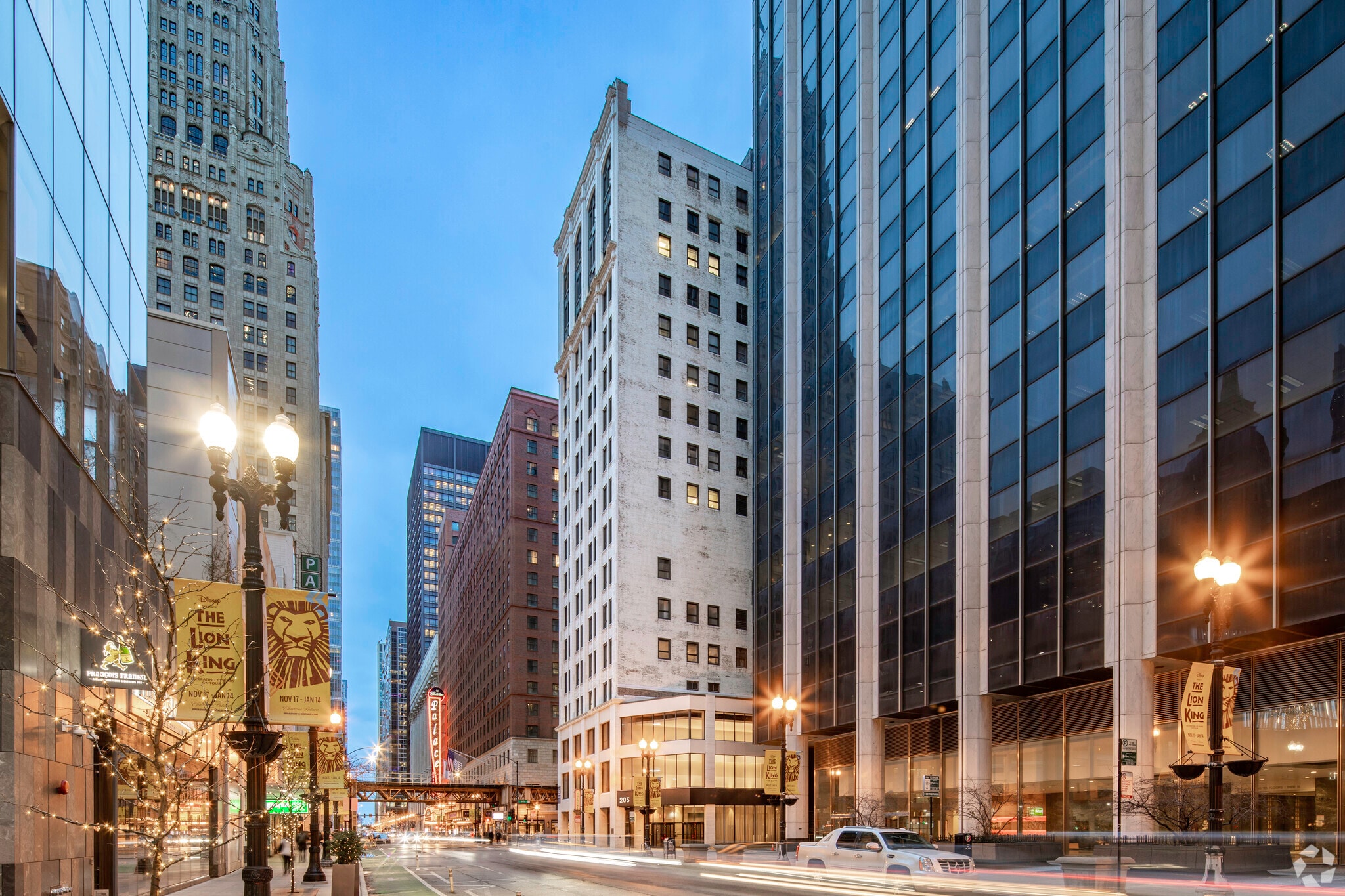

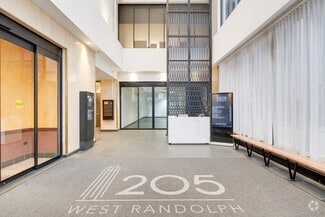
205 W Randolph St
Chicago, IL 60606
Chicago Loop
OVERVIEW
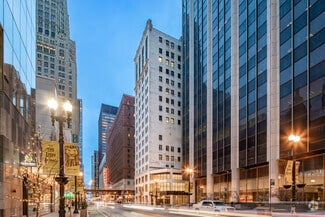
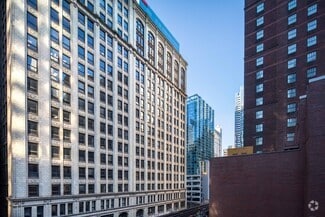
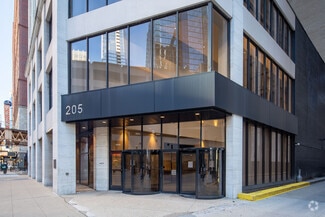
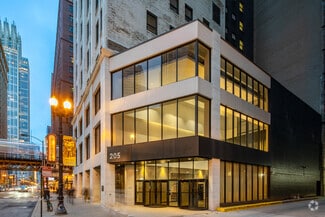
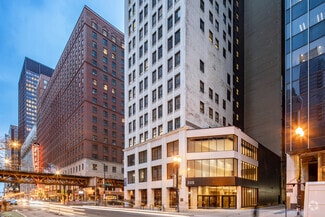
205 W Randolph was developed in 2 stages: the original structure was erected in 1914 and completed in May 1915, and was built as a 17-story office building with a basement at the southwest corner of Wells and Randolph. It was originally intended to consolidate the State of Illinois’ offices into one central location.
6 months after its construction, 205 W Randolph became known as the People’s Life Building when it was acquired by the People’s Life Insurance Company. A few years later it was acquired by the Cooperative Society of America, where renowned author Ernest Hemingway would work as an associate editor for the short-lived Cooperative Commonwealth Magazine. The building was eventually purchased in the late 1920s by City State Bank, who sponsored the 1928 south addition that later became known as the Randolph-Wells Building.
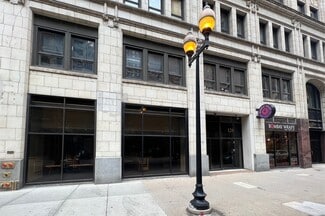
Although it underwent some rehabbing, recladding, and alterations in the 1980s, 205 W Randolph still bears all the hallmarks of Chicago’s golden age of architecture: white terra cotta, Gothic Revival style, and elaborate detailing reminiscent of the designers whose namesake might sound familiar: the Burnham Brothers, sons of world-famous Daniel Burnham, are responsible for the Art Deco/pseudo-Grecian ornamentation that helped the Randolph-Wells Building earn its place in the National Register of Historic Places.
RENTAL DETAILS
SPACE AVAILABLE
498-7,064 SF
# OF SPACES
31
RENT RATE (MO)
$1.92-$2.33 USD /SF/mo
RENT RATE (YR)
$23.00-$28.00 USD /SF/yr
LEASE TYPE
Modified Gross
LEASE LENGTH
Negotiable
AVAILABLE
-
BUILDING DETAILS
PROPERTY TYPE
Office
TOTAL BUILDING SIZE
207,506 SF
BUILDING CLASS
B
YEAR BUILT
1922
PARKING SPACES
-
LAND DETAILS
LAND ACRES
0.28 AC
LAND SF
12,196.8 SF
ZONING
DC-16, Chicago
ASK ABOUT THIS PROPERTY
Please correct the highlighted field(s).

312-263-8787
By clicking the button, you agree to Showcase's Terms of Use and Privacy Notice.
Please correct the highlighted field(s).
312-263-8787
By clicking the button, you agree to Showcase's Terms of Use and Privacy Notice.